
 By profyler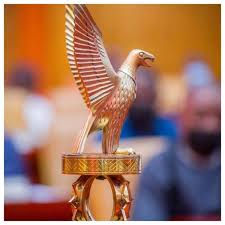
The Mace of Parliament in Ghana is more than a ceremonial object—it is a potent symbol of the authority, dignity, and continuity of the nation’s legislative branch. Rooted in historical tradition and adapted to the Ghanaian context, the mace embodies the constitutional power vested in the Parliament and serves as a reminder of the solemn responsibilities borne by elected representatives.
What is the Mace of Parliament?
The mace is an ornate staff that occupies a central place in the parliamentary chamber. Traditionally derived from British parliamentary customs, the mace is a physical representation of the legislative authority of Ghana. Its presence in the chamber signifies that the proceedings are conducted under the full weight of constitutional legitimacy. When the mace is in position, it reinforces that the decisions, debates, and debates are carried out within the framework of law and established protocol.
In Ghana, as in many other parliamentary systems, the mace is not merely decorative. It is an essential part of the formal environment of Parliament, symbolizing the unity and the continuity of the nation’s governance. It stands as a constant reminder that the authority of the Parliament is derived from the people and enshrined in the constitution.
Symbolism and Design
A Symbol of Sovereign Authority
The mace represents the sovereign power of the Parliament—the collective will of the nation’s electorate as expressed through its representatives. It is a visible emblem of the legitimacy of legislative decisions. Its ceremonial use underscores that parliamentary debates and legislative actions are not arbitrary but are guided by the rule of law and the democratic principles of accountability and transparency.
Cultural and National Motifs
While the mace originates from a tradition that dates back to the British parliamentary system, its design in Ghana incorporates elements that resonate with the country’s rich cultural heritage. Often crafted from precious metals and intricately engraved, the mace may feature symbols such as the black star, Adinkra motifs, or elements of the national coat of arms. These design features not only lend it a distinct Ghanaian character but also serve as a reminder of the nation’s unique identity and history.
The artistic embellishments on the mace are intended to inspire respect and reverence among parliamentarians and the public alike, reinforcing the idea that the authority exercised within the chamber is both noble and sacrosanct.
Authority and Function
Embodiment of Parliamentary Power
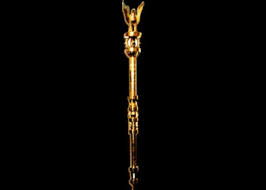
The mace stands as the physical embodiment of the Parliament’s authority. Its placement on the central table or podium in the parliamentary chamber is a clear signal that the assembly is in session and that all proceedings are conducted under the auspices of the constitution. In many parliamentary traditions, including Ghana’s, the absence of the mace during a session can be interpreted as a lapse in the formal legitimacy of the proceedings.
Ceremonial and Procedural Use
During parliamentary sessions, the mace is a focal point of ceremonial protocol. It is typically handled by the Sergeant-at-Arms, who is responsible for its security and proper placement. At the commencement of a session, the mace is prominently displayed, signaling that the chamber is duly constituted and that all legislative debates and votes are being undertaken with proper authority.
Moreover, the mace plays a crucial role during key parliamentary ceremonies, such as the opening of a new session, the swearing-in of new members, and other formal events that mark the continuity of democratic governance. By being present at these pivotal moments, the mace reinforces the stability and enduring nature of the parliamentary institution.
A Reminder of Constitutional Governance
Beyond its ceremonial functions, the mace serves as an ongoing reminder to members of Parliament of their duty to uphold the principles of constitutional governance. It symbolizes the trust placed in them by the electorate and the importance of conducting debates with fairness, integrity, and respect for the law. The physical presence of the mace in the chamber reinforces the idea that the power exercised by parliamentarians is not personal but is derived from a mandate to serve the public interest.
Historical Background and Evolution
Colonial Legacy and Post-Independence Adaptation
The tradition of using a mace in parliamentary settings was inherited from the British colonial system. When Ghana transitioned to independence, many of the ceremonial aspects of governance were retained and adapted to reflect the nation’s identity. The Ghanaian mace, while echoing its colonial predecessor in form and function, has evolved to incorporate indigenous symbols and motifs that speak to the country’s heritage.
This evolution is reflective of a broader trend in post-colonial governance, where symbols and practices are reinterpreted to align with the values and aspirations of an independent nation. The mace of Parliament in Ghana is a testament to this process of adaptation—melding a long-standing parliamentary tradition with a distinctively Ghanaian sense of pride and cultural identity.
Continuity and Change
Over the years, the mace has remained a constant fixture in the parliamentary chamber, even as other aspects of governance and protocol have undergone modernization. It stands as a symbol of continuity—a reminder that despite changes in political leadership or shifts in legislative priorities, the fundamental principles of democratic governance remain unaltered. At the same time, discussions about preserving its historical significance while ensuring that it resonates with contemporary audiences are part of an ongoing dialogue about national identity and institutional heritage.
Modern Relevance and Public Perception
A Living Symbol in Contemporary Politics

In today’s dynamic political environment, the mace continues to play an important role in reinforcing the legitimacy and authority of the Parliament. It is not only a relic of historical tradition but a living symbol that underscores the stability and integrity of Ghana’s legislative process. Public ceremonies and media coverage often highlight the mace during major political events, making it an instantly recognizable emblem of parliamentary democracy.
Educational and Inspirational Value
The mace also has an educational role. It is frequently used as a visual aid to teach citizens—especially young people—about the structure of government, the importance of the legislative process, and the enduring nature of constitutional governance. By demystifying the symbols of power, the mace helps to cultivate a deeper understanding of democratic principles and encourages greater public engagement with the political process.
Protocols and Usage
Handling and Display
Strict protocols govern the handling and display of the mace in the parliamentary chamber. Only designated officials, such as the Sergeant-at-Arms, are authorized to move or adjust the mace. Its placement is symbolic; it must be visible at all times during a session to signify that the chamber is duly constituted and that its proceedings are legitimate. Any alteration to its position or an absence can lead to procedural challenges, underscoring its vital role in maintaining order and decorum.
Ceremonial Occasions
On ceremonial occasions—such as the opening of Parliament, the swearing-in of new members, or state functions—the mace is given special prominence. It is often carried in procession, paraded before the assembly, or used as a focal point during formal addresses. These events serve to reinforce the symbolic link between the authority of the state and the collective will of the people as represented by their elected officials.
Symbolic Checks on Power
The mace acts as a reminder that the power wielded by Parliamentarians is not absolute but is subject to constitutional checks and balances. Its enduring presence in the chamber ensures that every debate, vote, and legislative decision is anchored in a commitment to the rule of law and the principles of accountability. It is a constant, tangible reminder that the authority of the Parliament is derived from the people and that it exists to serve their interests.
Conclusion

The Mace of Parliament of Ghana is much more than an ornate staff—it is a profound symbol of democratic authority, tradition, and the rule of law. From its historical roots in the British parliamentary tradition to its modern adaptation imbued with Ghanaian cultural symbols, the mace represents the continuity and legitimacy of the nation’s legislative process.
Its role in formal proceedings, its presence during ceremonial events, and its function as a constant reminder of constitutional governance all highlight its importance in maintaining the dignity and authority of Parliament. For the citizens of Ghana, the mace is a visible emblem of the democratic values that underpin the country’s political system, inspiring confidence in the legislative process and serving as a beacon of stability and order.
As Ghana continues to evolve as a vibrant democracy, the Mace of Parliament remains a steadfast symbol—anchoring the nation’s commitment to transparency, accountability, and the enduring principles of good governance. It stands as a tribute to the past, a pillar in the present, and a guide for the future, ensuring that the democratic spirit of Ghana endures through every session and every decision made in the hallowed halls of Parliament.