
 By profyler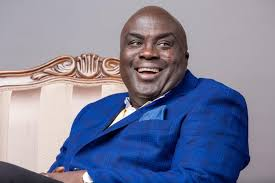
Julius Debrah stands out as a transformative leader in Ghanaian politics, recognized for his strategic acumen and unwavering commitment to national development. As the current Chief of Staff to President John Dramani Mahama, Debrah has demonstrated an exceptional ability to navigate complex governance challenges while fostering unity and progressive change. His career spans multiple high-profile roles in public service, from spearheading local government reforms to revitalizing Ghana’s tourism sector, making him an influential figure in the country’s modern political landscape.
Early Life and Educational Foundation
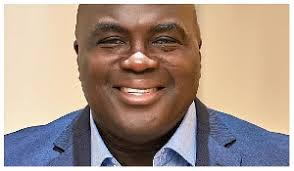
Born on 24 April 1966 in Ghana, Julius Debrah’s journey began in humble surroundings in Obomeng Kwahu. His early years were marked by a deep-seated curiosity and an innate desire to understand the social and cultural fabric of his country. He laid the foundation for his future endeavors by attending Mpraeso Secondary School, where he first exhibited leadership qualities and a penchant for community service.
Following his secondary education, Debrah pursued his A-level studies at Achimota Secondary School between 1987 and 1989. This period was crucial in shaping his intellectual perspective and igniting his interest in societal development. His academic excellence and commitment to learning earned him a place at the University of Ghana, where he obtained a Bachelor of Arts in Archaeology and Sociology. This interdisciplinary education not only enriched his understanding of Ghanaian heritage and societal dynamics but also equipped him with the analytical skills necessary for effective governance.
Foundations in Public Service and Political Engagement
Julius Debrah’s foray into public service was driven by a vision to translate academic insights into practical solutions that benefit the community. Early on, he combined his scholarly background with a passion for grassroots development, which soon became the hallmark of his political career. As a committed member of the National Democratic Congress (NDC), he has consistently demonstrated that governance is not merely a matter of policy, but a commitment to addressing the tangible needs of the people.
Entry into Politics
Debrah’s political journey is characterized by his resolve to serve at every level of government. He first ventured into electoral politics by contesting for the parliamentary seat in the Suhum constituency. Although these early attempts did not yield electoral victory, they provided him with invaluable experience and a deeper understanding of the political landscape. His persistence and dedication to public service laid the groundwork for his subsequent appointments, highlighting his commitment to learning from both successes and setbacks.
Transition to Executive Roles
His transition from electoral politics to executive roles was marked by his appointment as the Chief Executive Officer of the Ghana Tourism Authority in 2009. In this capacity, Debrah was instrumental in reshaping the institution, transforming the Ghana Tourist Board into a more dynamic and responsive organization under the framework of Act 817. This strategic move not only modernized the tourism sector but also reinforced his reputation as an innovative leader capable of driving institutional change.
Pioneering Contributions in Local Government and Regional Administration
Ministerial Appointments and Grassroots Impact
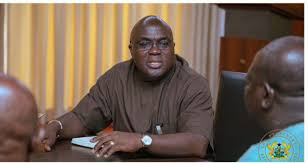
Recognized for his expertise and pragmatic approach to governance, Julius Debrah was subsequently appointed to several pivotal ministerial positions. As Minister of Local Government and Rural Development, he championed the principle that effective governance must start at the grassroots level. His tenure was characterized by a focus on decentralization, local empowerment, and community-driven development projects. He was a firm believer in the idea that “Governance is about satisfying the needs of the people,” a philosophy that guided his efforts to make local authorities more responsive and accountable.
Debrah’s leadership in local government was further exemplified during his tenure as Eastern Regional Minister and later as Greater Accra Regional Minister. In these roles, he was tasked with addressing regional disparities, improving infrastructure, and enhancing public service delivery. His hands-on approach and ability to bridge the gap between policy and implementation earned him widespread respect among regional stakeholders and local communities alike.
Innovative Reforms in Local Governance
One of the most notable aspects of Debrah’s tenure in public service has been his focus on practical, people-centered reforms. He introduced innovative measures to streamline local government operations, such as the implementation of modern administrative systems and the promotion of participatory decision-making. His work on initiatives like the Street Naming Exercise and National Sanitation Programs underscored his commitment to addressing everyday challenges faced by citizens. By prioritizing local input and ensuring transparency, he set a new standard for how government can be both efficient and empathetic.
Strategic Leadership in National Administration
Appointment as Chief of Staff
In February 2015, Julius Debrah was appointed as Chief of Staff to President John Dramani Mahama, succeeding Prosper Douglas Bani. This critical role placed him at the epicenter of national policy-making and administrative oversight. As Chief of Staff, Debrah has been entrusted with the responsibility of orchestrating the various functions of the executive branch, ensuring that the president’s vision is translated into actionable policies and programs.
His appointment was widely welcomed by members of the NDC, who viewed it as a testament to his proven track record and unwavering commitment to public service. Debrah’s strategic leadership in this role has been instrumental in facilitating swift decision-making and fostering a collaborative environment within the presidential office. His ability to coordinate diverse teams and streamline government operations has been key to addressing complex national challenges.
Policy Coordination and Administrative Efficiency
As Chief of Staff, Debrah’s portfolio extends beyond mere administrative oversight. He plays a vital role in policy formulation, crisis management, and inter-ministerial coordination. His tenure has seen the implementation of several reforms aimed at improving governmental efficiency and responsiveness. By advocating for a more integrated approach to governance, Debrah has helped to bridge the gap between policy formulation and implementation, ensuring that strategic decisions are executed effectively at all levels of government.
His leadership style is marked by an emphasis on teamwork and mutual accountability. Debrah consistently stresses the importance of empowering subordinates, believing that collective effort is essential for achieving meaningful progress. This approach has not only enhanced the operational efficiency of the presidential office but has also fostered a culture of inclusivity and shared responsibility among government officials.
Driving Economic and Social Development
Revitalizing the Tourism Sector
Before his ascent to the highest echelons of political leadership, Julius Debrah played a pivotal role in transforming Ghana’s tourism landscape. As the head of the Ghana Tourism Authority, he spearheaded initiatives that significantly enhanced the country’s international profile as a travel destination. Under his leadership, the Authority adopted new strategies to promote cultural heritage, natural attractions, and historical sites. These efforts not only boosted tourism revenues but also contributed to broader economic development by creating jobs and fostering local entrepreneurship.
His deep understanding of Ghana’s rich cultural and historical heritage, derived from his academic background in archaeology and sociology, allowed him to innovate and adapt the tourism sector to contemporary global trends. The modernization of the Ghana Tourism Authority under his stewardship stands as a testament to his visionary approach to institutional reform and economic revitalization.
Commitment to Social Development and Inclusive Governance
Julius Debrah’s contributions extend well beyond the realm of economic policy. His work in local government and regional administration has been driven by a deep-seated commitment to social development. He has consistently advocated for policies that prioritize the needs of the marginalized and underrepresented communities. His emphasis on inclusive governance is evident in his efforts to decentralize power and promote participatory decision-making processes at the local level.
Debrah believes that sustainable development can only be achieved when the voices of ordinary citizens are heard and respected. His policy initiatives have focused on improving access to essential services, such as healthcare, education, and sanitation, thereby enhancing the quality of life for millions of Ghanaians. Through his pragmatic and empathetic approach, he has helped to bridge socioeconomic divides and create opportunities for growth in both urban and rural areas.
Philosophy of Leadership and Vision for the Future
A Leader Grounded in Experience and Values
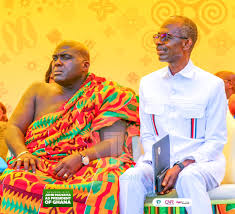
At the core of Julius Debrah’s leadership philosophy is the belief that governance must be rooted in both experience and ethical principles. His extensive career in public service has taught him that effective leadership is not just about wielding power, but about serving the people with integrity and compassion. Debrah’s approach is characterized by a steadfast commitment to accountability, transparency, and collaborative problem-solving.
His ability to navigate the intricate dynamics of national and regional governance has earned him accolades from political peers and constituents alike. Debrah is known for his pragmatic approach to governance, which emphasizes the importance of practical solutions over theoretical models. This focus on real-world impact has driven many of his policy initiatives and continues to shape his vision for a more prosperous and inclusive Ghana.
Empowering Future Leaders
A firm believer in the transformative power of mentorship, Julius Debrah has dedicated significant efforts to nurturing future generations of leaders. He has consistently advocated for educational and professional development programs that empower young people to take an active role in nation building. By sharing his wealth of experience and insights, Debrah aims to inspire a new wave of politically engaged citizens who are committed to driving positive change.
His emphasis on mentorship and capacity-building reflects his broader vision of sustainable governance—one where the success of today lays the groundwork for the achievements of tomorrow. Debrah’s leadership is not only defined by his past accomplishments but also by his unwavering belief in the potential of Ghana’s youth to shape the future of the nation.
Personal Life and Legacy
A Life Rooted in Family and Community
Despite his extensive responsibilities and high-profile roles, Julius Debrah has remained deeply connected to his roots. A native of Obomeng Kwahu, he values the strong bonds of family and community that have shaped his character and guided his journey. Married with two children, Debrah is known for his humility and approachability—traits that endear him to both colleagues and constituents.
His personal life reflects the same values that have characterized his public service: integrity, commitment, and a genuine concern for the welfare of others. Throughout his career, Debrah has managed to balance the demands of public office with a deep commitment to family, serving as a role model for aspiring leaders across Ghana.
An Enduring Legacy of Service
Julius Debrah’s impact on Ghanaian politics and governance is both profound and far-reaching. His innovative reforms in local government, transformative leadership in the tourism sector, and strategic role as Chief of Staff have left an indelible mark on the nation. His work has not only improved administrative efficiency but has also paved the way for more inclusive and participatory governance—a legacy that will continue to influence future generations.
His career is a testament to the power of visionary leadership combined with pragmatic action. Debrah’s legacy is defined by his relentless pursuit of excellence, his commitment to public service, and his unwavering belief that true progress is achieved when the needs of the people are placed at the forefront of national policy.
Future Endeavors and National Vision
Charting the Path Forward
As Ghana continues to evolve in the face of new challenges and opportunities, Julius Debrah remains a pivotal figure in shaping the country’s future. In his current role as Chief of Staff, he is actively involved in strategic planning and policy implementation aimed at bolstering national unity and driving sustainable development. His forward-thinking approach ensures that Ghana’s governance structures are well-equipped to address both immediate concerns and long-term developmental goals.
Debrah’s vision for the future is grounded in a belief that collaborative governance, when coupled with innovative thinking, can transform societal challenges into opportunities for growth. He advocates for a governance model that is agile, responsive, and deeply rooted in the values of transparency and accountability. This vision not only guides his current initiatives but also serves as a roadmap for future policy directions under the Mahama administration.
A Commitment to National Prosperity
Looking ahead, Julius Debrah is dedicated to furthering initiatives that enhance economic stability, social welfare, and national security. His efforts to streamline administrative processes, promote local enterprise, and foster inter-ministerial collaboration are critical to achieving a more dynamic and resilient national economy. By leveraging his extensive experience and strategic insights, he continues to work towards a Ghana where every citizen has the opportunity to thrive in a well-governed, inclusive society.
Conclusion
Julius Debrah’s remarkable career is a powerful example of how dedicated public service, visionary leadership, and a deep commitment to the people can transform a nation. As Chief of Staff, he has not only enhanced the efficiency of national governance but has also championed the cause of inclusive development across all regions of Ghana. His contributions in various ministerial roles, his pioneering reforms in local government, and his transformative work in the tourism sector underscore a legacy of service that will continue to inspire and guide future generations.
Grounded in the belief that governance is about fulfilling the needs of the people, Julius Debrah exemplifies the ideal of a leader who is as committed to national progress as he is to the welfare of individual citizens. His career reflects a unique blend of academic insight, practical experience, and an unyielding passion for public service—a combination that has positioned him as one of Ghana’s most respected statesmen.
As Ghana charts its course towards a more prosperous and equitable future, the enduring impact of Julius Debrah’s leadership will undoubtedly remain a guiding force in the nation’s journey toward sustainable development and inclusive growth.