
 By profyler
Ghana is on the path of economic transformation. The government has set its sights on a bold vision: to create a dynamic, round-the-clock economy and boost export growth. This vision is driven by innovative policies and strategic leadership. A key figure in this process is Augustus Goosie Tanoh, the Presidential Advisor for the 24-hour Economy and Accelerated Export Development. While Tanoh’s personal expertise is vital, the focus is on his role in driving policies that enable a 24-hour economy and create new export opportunities.
In this article, we explore the concept of a 24-hour economy and strategies for export growth in Ghana. We will cover the following topics:
- A brief profile of Augustus Goosie Tanoh.
- The idea of a 24-hour economy.
- How Ghana is implementing round-the-clock business models.
- Key strategies for accelerated export development.
- The role of digital infrastructure and public-private partnerships.
- Future prospects and challenges.
This comprehensive overview shows how Ghana is working to ensure sustainable economic growth and global competitiveness.
Profile Snapshot: Augustus Goosie Tanoh
Personal Background and Professional Journey
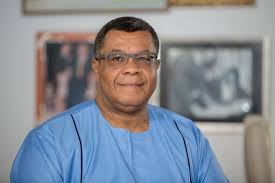
Augustus Goosie Tanoh is an experienced economic strategist. He has a solid background in finance and trade. He has served in both the private and public sectors. Over the years, Tanoh has built a reputation for clear strategic vision and pragmatic problem-solving. His work has focused on policy reform, market innovation, and international trade. His extensive experience has helped him earn the trust of government officials and industry leaders alike.
Leadership and Vision
Tanoh is known for his collaborative approach. He values input from all stakeholders. His leadership style is marked by transparency and adaptability. He believes in modernizing traditional business practices. He also champions innovation. His personal commitment to national development is evident in his role as a Presidential Advisor. His insights help shape key policies that aim to unlock Ghana’s economic potential.
While Tanoh’s personal story is important, his primary mandate is clear. He is tasked with creating an environment where businesses can operate around the clock and where Ghanaian products can compete globally. Now, let us explore these broader initiatives.
The Concept of a 24-Hour Economy
What is a 24-Hour Economy?

A 24-hour economy means that economic activities continue non-stop. In such an economy, businesses, public services, and cultural activities operate beyond the traditional daytime hours. This model ensures that the city or region is vibrant at all times. It supports nightlife, extended shopping hours, and continuous public transport.
Benefits of a 24-Hour Economy
A round-the-clock economy has many benefits:
- Job Creation: Extended operating hours mean more shifts and more employment opportunities.
- Economic Growth: Continuous business activity boosts overall productivity.
- Public Convenience: Citizens enjoy improved access to services at any time.
- Tourism Boost: A vibrant, active city attracts tourists and enhances the overall image of the region.
- Innovation: Encouraging a 24-hour culture fosters creativity and new business models.
By embracing a 24-hour economy, Ghana aims to stimulate its urban centers and create a more dynamic economic environment.
Implementing the 24-Hour Economy in Ghana
Modernizing Urban Infrastructure
One of the first steps is upgrading infrastructure. Smart infrastructure helps cities operate efficiently at night. This includes:
- Improved Lighting: Better street lighting increases safety and encourages nighttime activities.
- Digital Connectivity: High-speed internet and digital platforms support businesses that operate 24/7.
- Transport Networks: Extended public transport services, such as buses and taxis, ensure that people can travel safely at all hours.
- Energy Management: Smart grids and renewable energy solutions provide reliable power for businesses after dark.
Public-Private Partnerships (PPP)
Collaboration between the public and private sectors is key. Public-private partnerships can:
- Fund Infrastructure Projects: Joint investments can improve roads, lighting, and connectivity.
- Encourage Business Innovation: Private companies bring in expertise and new technologies.
- Enhance Service Delivery: Joint efforts lead to better-managed public services and efficient business operations.
Through PPPs, Ghana can tap into private sector innovation while ensuring that public needs are met.
Urban Revitalization Projects
Urban centers need a facelift to support a 24-hour economy. Revitalization projects aim to:
- Develop Mixed-Use Districts: Areas that combine residential, commercial, and recreational spaces encourage activity at all hours.
- Promote Cultural Venues: Theatres, museums, and event spaces attract visitors during the evening.
- Upgrade Commercial Areas: Modern shopping malls and business districts operate extended hours.
- Create Safe Public Spaces: Parks, plazas, and pedestrian zones encourage outdoor activities at night.
These projects not only enhance the quality of life but also stimulate economic activity by making cities more vibrant.
Digital Transformation
Digital tools are essential to this transformation. Key initiatives include:
- Mobile Payment Systems: Digital payments enable transactions at all hours without cash hassles.
- Online Service Platforms: Government services available online reduce the need for in-person visits.
- Data Analytics: Real-time data helps city planners make informed decisions about resource allocation.
- Social Media Engagement: Digital channels keep citizens informed and engaged, boosting transparency and trust.
Digital transformation ensures that businesses and public services are modern, efficient, and accessible to everyone.
Accelerated Export Development in Ghana
The Importance of Export Growth
Exports are a crucial component of economic growth. By expanding export activities, Ghana can:
- Increase Foreign Exchange Earnings: More exports mean more revenue from abroad.
- Boost Industrial Growth: Export demand stimulates production and creates jobs.
- Enhance Global Competitiveness: A robust export sector improves the nation’s standing in global markets.
- Diversify the Economy: Export diversification reduces reliance on a few sectors, spreading risk and encouraging innovation.
Accelerated export development is a key focus of the government. It is a vital strategy for sustaining long-term economic growth.
Streamlining Export Processes
Simplifying export procedures is one of the core strategies. This includes:
- Reducing Bureaucracy: Fewer regulations and easier documentation speed up export transactions.
- One-Stop Services: Creating centralized export service centers helps businesses complete all necessary tasks in one place.
- Training Programs: Educating local businesses about export rules and international standards prepares them for global markets.
- Digital Solutions: Online platforms streamline processes and reduce delays, making exports more efficient.
These measures lower the cost of doing business and make it easier for local companies to access international markets.
Market Diversification Strategies
To achieve export growth, Ghana must diversify its export markets. Key strategies include:
- Exploring New Markets: Identifying emerging markets beyond traditional trade partners.
- Strengthening Trade Agreements: Negotiating favorable terms with international partners to reduce tariffs and ease trade.
- Promoting Value-Added Products: Encouraging local industries to move up the value chain by exporting finished or semi-finished products.
- Participating in Trade Fairs: International exhibitions help showcase Ghanaian products to a wider audience.
Market diversification reduces dependency on a few markets. It also enhances the resilience of Ghana’s export sector.
Supporting Small and Medium-Sized Enterprises (SMEs)
SMEs are the backbone of Ghana’s economy. Support for SMEs is essential for export growth:
- Access to Finance: Providing funding options and incentives helps SMEs scale up operations.
- Capacity Building: Training programs in international marketing and quality control equip SMEs to meet global standards.
- Mentorship Programs: Guidance from experienced exporters helps SMEs navigate the complexities of international trade.
- Networking Opportunities: Trade associations and export councils facilitate connections between local businesses and international buyers.
By empowering SMEs, Ghana can build a more inclusive and dynamic export sector that contributes to overall economic prosperity.
The Role of Augustus Goosie Tanoh in These Initiatives
Strategic Leadership and Vision
Augustus Goosie Tanoh is at the center of these transformative policies. His strategic leadership drives the push for a 24-hour economy and accelerated export development. Tanoh is known for his ability to combine innovative ideas with practical solutions. His vision extends beyond traditional economic models. He sees a future where business, technology, and governance work together to create a robust, continuous economy.
Key Contributions
Tanoh’s contributions include:
- Policy Formulation: He plays a key role in drafting policies that support extended business hours and streamline export processes.
- Stakeholder Engagement: Tanoh works with both government and private sector leaders to ensure that initiatives meet local needs and international standards.
- Driving Innovation: His focus on digital transformation and smart infrastructure has been instrumental in modernizing urban centers.
- Capacity Building: He advocates for training programs that empower local businesses and improve their competitiveness globally.
While Tanoh’s personal expertise is only part of the picture, his role as a catalyst for change is undeniable. His efforts help ensure that Ghana remains at the forefront of economic innovation and global trade.
Future Prospects and Challenges
Embracing Technological Advancements
The future of a 24-hour economy and export growth in Ghana depends on continued technological adoption. Advances in digital platforms, mobile technology, and smart infrastructure will drive efficiency. These innovations will reduce costs and open up new business opportunities. The government must invest in research and development. This will ensure that Ghana can adapt to rapid global changes.
Addressing Infrastructure Gaps
Infrastructure remains a major challenge. Urban centers need better roads, reliable power, and modern public transport to support round-the-clock activity. Investments in infrastructure are critical to realize the full potential of the 24-hour economy. The government and private sector must collaborate to fill these gaps.
Enhancing Global Competitiveness
Ghana faces fierce competition in the global market. To enhance competitiveness, local businesses must continuously improve product quality and innovation. Regulatory reforms and capacity-building initiatives will help Ghanaian companies meet international standards. Support for SMEs is also essential. Their growth will contribute significantly to export performance.
Ensuring Inclusive Growth
A key goal is to ensure that economic growth benefits all citizens. Policies must promote job creation, skill development, and equitable access to opportunities. The government should focus on reducing regional disparities. Inclusive growth strengthens social cohesion and boosts overall prosperity.
Managing Economic Risks
Economic transformation comes with risks. Global market fluctuations, political changes, and technological disruptions can pose challenges. A robust risk management strategy is needed to safeguard progress. Continuous monitoring and adaptive policies will help Ghana navigate these uncertainties.

Conclusion
Ghana is embarking on a transformative journey toward a 24-hour economy and accelerated export development. At the heart of this transformation is a robust vision that leverages modern technology, smart infrastructure, and strategic public-private partnerships. Augustus Goosie Tanoh plays a crucial role in this process. His leadership, expertise, and commitment to innovation drive policies that extend business hours, create jobs, and boost global trade.
The initiatives discussed in this article pave the way for a more vibrant and competitive economy. A 24-hour economy will make urban centers more dynamic and inclusive. At the same time, accelerated export development will increase foreign exchange earnings and stimulate industrial growth. Ghana’s success in these areas will depend on continued investments in technology, infrastructure, and capacity building. It will also require a collaborative approach that involves all stakeholders.
As Ghana moves forward, the vision for continuous economic activity and enhanced global competitiveness stands as a beacon of progress. With leaders like Augustus Goosie Tanoh at the helm, the country is well-positioned to build an economy that is resilient, innovative, and inclusive. The future of Ghana’s economy is bright, and these initiatives will play a pivotal role in shaping a prosperous nation for generations to come.