
 By profyler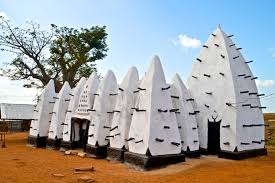
Ghana is a country of rich cultural heritage and diverse natural beauty. Its administrative division into 16 regions reflects this diversity, with each region offering unique attractions that celebrate history, nature, and local traditions. Below is a comprehensive profile of five important tourist sites or attractions in each of the 16 regions of Ghana, along with details on what makes each destination special.
1. Greater Accra Region
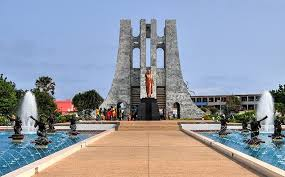
a. Kwame Nkrumah Mausoleum
A memorial dedicated to Ghana’s first president, the Kwame Nkrumah Mausoleum stands as a symbol of national liberation. Surrounded by beautiful gardens and reflective pools, it offers visitors insights into Ghana’s independence struggle.
b. Independence Square (Black Star Square)
This expansive public space is central to national celebrations. It is used for parades, political rallies, and major public events, showcasing Ghana’s vibrant spirit and commitment to freedom.
c. Labadi Beach
One of the most popular beaches in Accra, Labadi Beach is known for its lively atmosphere, horseback rides, and street performances. It’s an ideal spot to enjoy Ghana’s coastal charm.
d. Jamestown
A historic district in Accra, Jamestown features colonial-era architecture, vibrant street art, and bustling fish markets. Guided tours reveal stories of the past and the dynamic energy of this urban area.
e. National Museum of Ghana
The museum offers a deep dive into Ghana’s cultural and historical heritage. Exhibits range from ancient artifacts to modern art, providing context on the nation’s evolution and identity.
2. Ashanti Region
a. Manhyia Palace Museum
Located in Kumasi, this museum is housed in the former royal residence of the Asantehene. It exhibits artifacts, regalia, and historical narratives of the Ashanti Empire, offering a window into the region’s regal past.
b. Kejetia Market
One of the largest open-air markets in West Africa, Kejetia Market is a sensory overload of colors, sounds, and smells. It’s a prime destination to experience local trade, taste traditional foods, and buy handcrafted goods.
c. Lake Bosumtwi
A natural crater lake steeped in myth and tradition, Lake Bosumtwi is not only a scenic marvel but also a spiritual site for the Ashanti people. Visitors enjoy boat rides, swimming, and hiking along its lush shores.
d. Bonwire Kente Weaving Centre
Bonwire is famous for its kente cloth—a symbol of African pride. Here, visitors can observe the intricate process of kente weaving and purchase authentic, handmade textiles.
e. Okomfo Anokye Sword Site
This legendary site in Kumasi is associated with the famed priest Okomfo Anokye, who, according to tradition, planted a sword in the ground that remains immovable. It is a potent symbol of Ashanti unity and resilience.
3. Western Region
a. Axim Castle
A historical fort built during the colonial era, Axim Castle offers a glimpse into Ghana’s turbulent past in the transatlantic slave trade. Its imposing structure and ocean views make it a poignant destination.
b. Nzulezo Stilt Village
Situated on a lagoon, Nzulezo is a unique village built entirely on stilts. Visitors can take boat tours to explore its wooden walkways and learn about the local lifestyle adapted to life on water.
c. Busua Beach
Known for its soft sands and vibrant surf culture, Busua Beach is a favored destination for relaxation and water sports. It also serves as a base for exploring nearby coastal communities.
d. Fort Metal Cross (Dixcove)
One of the many coastal forts in the Western Region, Fort Metal Cross is rich in history. It once played a role in the transatlantic slave trade and now stands as a reminder of the region’s complex past.
e. Takoradi Cultural Centre
Located in the twin city of Takoradi, this centre highlights the artistic and cultural heritage of the Western Region through exhibitions, performances, and local craft displays.
4. Eastern Region
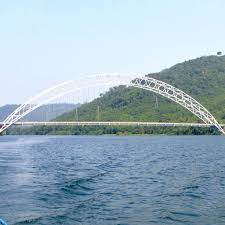
a. Aburi Botanical Gardens
Nestled in the Akwapim-Togo Range, the Aburi Botanical Gardens showcase a vast collection of indigenous and exotic plant species. The serene paths and panoramic views provide a perfect retreat from city life.
b. Boti Falls
A stunning double waterfall set amidst lush greenery, Boti Falls is a natural spectacle. Guided tours often include local legends and folklore, enriching the visitor experience.
c. Kwahu Easter Festival
Held annually in the Kwahu Plateau, this festival is a vibrant celebration of music, dance, and local cuisine. It attracts visitors from across Ghana and beyond for its energetic atmosphere and cultural displays.
d. Tetteh Quarshie Cocoa Farm
This historic cocoa farm pays tribute to Tetteh Quarshie, who is credited with introducing cocoa to Ghana. The site offers tours that explain cocoa cultivation and processing, a vital part of Ghana’s economy.
e. Akwapim-Togo Range Hiking Trails
For nature lovers, the hiking trails in the Akwapim-Togo Range provide breathtaking views of the surrounding valleys and forests. These trails are popular for trekking, birdwatching, and picnics.
5. Northern Region
a. Mole National Park
Ghana’s largest wildlife sanctuary, Mole National Park, is a haven for safari enthusiasts. The park is home to elephants, antelopes, baboons, and a variety of bird species, offering guided tours and jeep safaris.
b. Larabanga Mosque
This historic mud-brick mosque, one of the oldest in West Africa, is a masterpiece of Sudano-Sahelian architecture. It is not only a religious site but also a symbol of the region’s rich cultural heritage.
c. Damba Festival
Celebrated widely in the Northern Region, the Damba Festival marks the harvest season with music, dance, and traditional rituals. It offers visitors a vibrant insight into the local customs and communal celebrations.
d. Traditional Markets of Mole District
The bustling markets in the Mole District are centers of commerce and culture. They provide an authentic experience of the local way of life, with fresh produce, handicrafts, and traditional textiles on display.
e. Northern Craft Centers
Local craft centers in the region showcase indigenous skills such as pottery, weaving, and wood carving. These centers allow visitors to purchase authentic handmade souvenirs while supporting community artisans.
6. Upper East Region
a. Paga Crocodile Pond
At Paga, the crocodile pond is a unique sanctuary where the reptiles are revered and live in close harmony with humans. Visitors can interact safely with these gentle creatures and learn about local folklore.
b. Tongo Hills and Tengzug Shrine
The dramatic Tongo Hills offer not only breathtaking views but also cultural significance. The nearby Tengzug Shrine is a sacred site where traditional rituals and ceremonies take place.
c. Bolgatanga Art and Craft Centre
Bolgatanga is renowned for its handicrafts, including woven baskets, pottery, and leather goods. The art centre is a vibrant hub where artisans display and sell their work, offering visitors a taste of local creativity.
d. Navrongo Cathedral
This impressive cathedral is one of the oldest in the region and serves as an architectural landmark. It reflects the region’s historical interaction with Christianity and its evolving cultural identity.
e. Bawku Traditional Craft Market
In Bawku, traditional craft markets bustle with activity as local traders sell unique artworks, textiles, and cultural artifacts. The market provides a rich cultural immersion and a chance to support local craftsmanship.
7. Upper West Region
a. Wa Naa’s Palace
The Wa Naa’s Palace is the residence of the traditional ruler of the Upper West. It is a magnificent example of local architecture and a center for cultural and traditional ceremonies that offer insights into the region’s history.
b. Wechiau Hippo Sanctuary
This sanctuary on the banks of the Black Volta is home to a thriving population of hippos. Guided boat tours allow visitors to observe these impressive animals in their natural habitat.
c. Nandom Cultural Exploration
Nandom is known for its vibrant cultural traditions, including music, dance, and local festivals. The town’s historical sites and artisan workshops provide an enriching cultural experience.
d. Lawra Traditional Festivals
Lawra hosts several traditional festivals throughout the year. These events feature colorful displays of music, dance, and ritual, celebrating the customs and traditions of the local people.
e. Windei Waterfall
Set in the serene landscapes of the Upper West, Windei Waterfall offers a picturesque retreat for nature lovers. The cascading waters and surrounding greenery make it a perfect spot for picnics and photography.
8. Volta Region
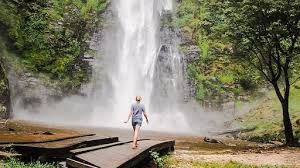
a. Wli Waterfalls
The highest waterfalls in West Africa, Wli Waterfalls cascade through lush forests, creating a mesmerizing sight. The area is ideal for hiking, swimming, and experiencing the natural beauty of the Volta Region.
b. Tafi Atome Monkey Sanctuary
This sanctuary is renowned for its population of Mona monkeys that roam freely. Visitors can take guided tours to interact with the monkeys and learn about conservation efforts.
c. Keta Lagoon
A large coastal lagoon, Keta Lagoon is rich in marine life and offers opportunities for birdwatching, fishing, and relaxing boat cruises. Its scenic vistas are a major draw for eco-tourists.
d. Anloga
A historic town with deep cultural roots, Anloga is known for its traditional festivals, local cuisine, and crafts. The town offers a glimpse into the heritage of the Ewe people and is a center for cultural tourism.
e. Volta Regional Museum
This museum in Ho showcases artifacts, art, and historical exhibits that narrate the story of the Volta Region. It provides context on the region’s indigenous cultures and its evolution through time.
9. Central Region
a. Cape Coast Castle
A UNESCO World Heritage Site, Cape Coast Castle is a stark reminder of the transatlantic slave trade. Tours of the castle offer a moving insight into Ghana’s colonial past and the human stories behind the historical events.
b. Elmina Castle
Another UNESCO-listed fort, Elmina Castle, is one of the oldest European structures in sub-Saharan Africa. Its preserved dungeons and historic chambers narrate the painful legacy of the slave trade.
c. Kakum National Park
Famous for its canopy walkway suspended high above the forest floor, Kakum National Park offers an exhilarating way to experience Ghana’s tropical rainforest. Guided nature walks reveal diverse flora and fauna.
d. Assin Manso Slave River Site
This poignant site served as a gathering point for enslaved Africans before their forced departure. Memorials and exhibits provide historical context and honor the memory of those who suffered.
e. Winneba
A charming coastal town known for its pristine beaches and cultural festivals, Winneba offers both relaxation and a taste of local traditions through art, music, and seafood cuisine.
10. Bono Region
a. Bui National Park
Located in the Bono Region, Bui National Park is a vast expanse of protected wilderness. It is home to hippos, elephants, and diverse bird species. Visitors can take guided safaris and boat trips along the Black Volta.
b. Wenchi Crater Lake and Falls
Wenchi offers a spectacular natural setting with a crater lake and cascading waterfalls. The area is perfect for hiking, picnicking, and enjoying the unspoiled beauty of the region.
c. Sunyani Botanical Gardens
A peaceful retreat in the capital city of Sunyani, these gardens display a variety of indigenous plant species and offer a serene environment for relaxation and leisurely walks.
d. Sunyani Cultural Museum
This museum presents the rich cultural history of the Bono people through artifacts, traditional costumes, and interactive exhibits, fostering a deeper understanding of local heritage.
e. Nkawie Traditional Festivals
The town of Nkawie hosts vibrant festivals that showcase traditional music, dance, and crafts. These events offer visitors an immersive cultural experience and a chance to connect with the local community.
11. Bono East Region
a. Kintampo Waterfalls
One of the most dramatic natural attractions in Bono East, Kintampo Waterfalls offer breathtaking views and a refreshing retreat. The falls are accessible via scenic hiking trails and guided tours.
b. Boabeng-Fiema Monkey Sanctuary
Famous for its population of sacred monkeys, this sanctuary allows visitors to observe the creatures in a natural setting. It also plays an important role in local folklore and conservation.
c. Tain Cultural Centre
A hub for traditional arts and crafts, the Tain Cultural Centre showcases the vibrant heritage of the Bono East people through exhibitions, performances, and workshops.
d. Techiman Traditional Area
Techiman, an ancient town with a storied past, offers historical sites, bustling markets, and rich culinary traditions. Guided tours provide insights into the local culture and history.
e. Kintampo Adventure Park
An outdoor recreational facility offering activities such as zip-lining, nature walks, and picnics, this park is perfect for families and adventure seekers looking to explore the natural beauty of the region.
12. Ahafo Region
a. Bechem Heritage Museum
This museum in Bechem presents artifacts and exhibits that chronicle the cultural history of the Ahafo people, offering visitors a window into local traditions and historical narratives.
b. Ahafo Cultural and Arts Centre
A vibrant centre where traditional music, dance, and crafts are showcased, it serves as a platform for local artists and hosts regular cultural festivals and exhibitions.
c. Ahafo Eco-Tourism Park
Designed to promote sustainable tourism, this park features hiking trails, birdwatching opportunities, and interactive exhibits on local ecology and conservation practices.
d. Ahafo Gold Mine Tours
Reflecting the region’s rich mining heritage, these tours provide insights into sustainable mining practices, local history, and the economic significance of gold in the area.
e. Nkyidado Festival
A traditional festival celebrated in parts of Ahafo, the Nkyidado Festival features colorful parades, traditional drumming, and dancing. It offers an immersive experience in the region’s cultural heritage.
13. Oti Region
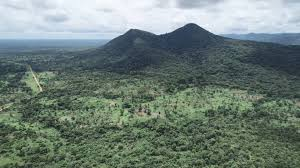
a. Oti River Cruise
A scenic boat ride along the Oti River provides visitors with stunning views of the region’s diverse landscapes, from lush vegetation to peaceful rural communities.
b. Dodi Island
Located on the Oti River, Dodi Island is a tranquil retreat ideal for picnicking, birdwatching, and experiencing the natural rhythm of river life.
c. Akpafu Traditional Area
Known for its rich cultural traditions, the Akpafu area offers guided tours of local crafts, traditional dances, and community life, providing a genuine taste of Oti heritage.
d. Anyinam Archaeological Sites
The region is dotted with historical and archaeological sites that offer insights into early human settlement and the evolution of local cultures.
e. Oti Wildlife Reserve
A haven for wildlife enthusiasts, this reserve is home to diverse species of birds and mammals. Guided tours and nature walks reveal the region’s ecological treasures.
14. Savannah Region
a. Damongo Cultural Centre and Market
As the gateway to the Savannah Region, Damongo offers a bustling market and cultural centre where visitors can explore local crafts, traditional foods, and vibrant community life.
b. Scenic Savannah Landscapes
The vast, open plains of the Savannah Region are perfect for eco-tourism. Visitors can enjoy guided tours that showcase the region’s natural beauty, wildlife, and traditional farming practices.
c. Traditional Festivals
Savannah is home to a number of vibrant festivals such as the Damba Festival. These cultural events feature traditional music, dance, and rituals that celebrate the region’s heritage.
d. Ancient Rock Art Sites
The region’s history is etched in ancient rock carvings and art. Guided tours to these sites provide fascinating insights into the prehistoric cultures of the area.
e. Local Eco-Tours
Eco-tours in the Savannah Region offer hiking, birdwatching, and camping experiences that allow visitors to fully immerse themselves in the rugged, unspoiled beauty of the savannah.
15. North East Region
a. North East Cultural Heritage Center
This centre preserves and displays the unique traditions, artifacts, and histories of the North East Region. It is an excellent starting point for understanding local culture.
b. Traditional Markets and Craft Villages
Vibrant markets in the North East showcase indigenous crafts, textiles, and produce. Visitors can interact with local artisans and learn about traditional methods of production.
c. Scenic Hiking Trails
The North East Region offers numerous trails that wind through rugged landscapes and open savannahs, ideal for hiking, nature walks, and photography.
d. Local Festivals
Festivals such as the harvest celebrations or Damba festivities in the North East provide an immersive cultural experience, featuring music, dance, and traditional storytelling.
e. Historical Landmarks
The region is dotted with ancient ruins and historical sites that speak to its long history. Guided tours help visitors appreciate the significance of these landmarks in the region’s heritage.
16. Western North Region
a. Sefwi Wiawso Cultural Centre
The cultural centre in Sefwi Wiawso is a focal point for the region’s traditions. It hosts exhibitions, performances, and workshops that celebrate the art and history of the Sefwi people.
b. Bia National Park
A biodiversity hotspot, Bia National Park is home to rare wildlife, including primates and a wide variety of bird species. Guided safaris and nature walks offer a close-up look at the region’s ecology.
c. Bibiani Gold Belt Tours
Reflecting the region’s mining heritage, guided tours of the Bibiani Gold Belt offer insights into traditional and modern mining practices, along with the cultural impact of mining on local communities.
d. Sefwi Cocoa Villages
The cocoa-growing villages of Western North showcase traditional farming techniques and processing methods. Visitors can learn about the production of Ghana’s world-renowned cocoa and sample local delicacies.
e. Sefwi Traditional Festivals
Local festivals in the Sefwi area highlight vibrant dance, music, and cultural rituals. These celebrations offer a festive atmosphere and a deep dive into the traditions of Western North.
Conclusion
Ghana’s 16 regions are treasure troves of history, culture, and natural beauty. From the bustling urban attractions of Greater Accra to the serene landscapes of the Savannah, each region offers a distinct experience that enriches visitors and celebrates the country’s diversity. Whether you are drawn to historical landmarks, natural wonders, or vibrant cultural festivals, these fifty‐plus attractions collectively showcase why Ghana is a must-visit destination for travelers seeking to experience authentic West African heritage.